

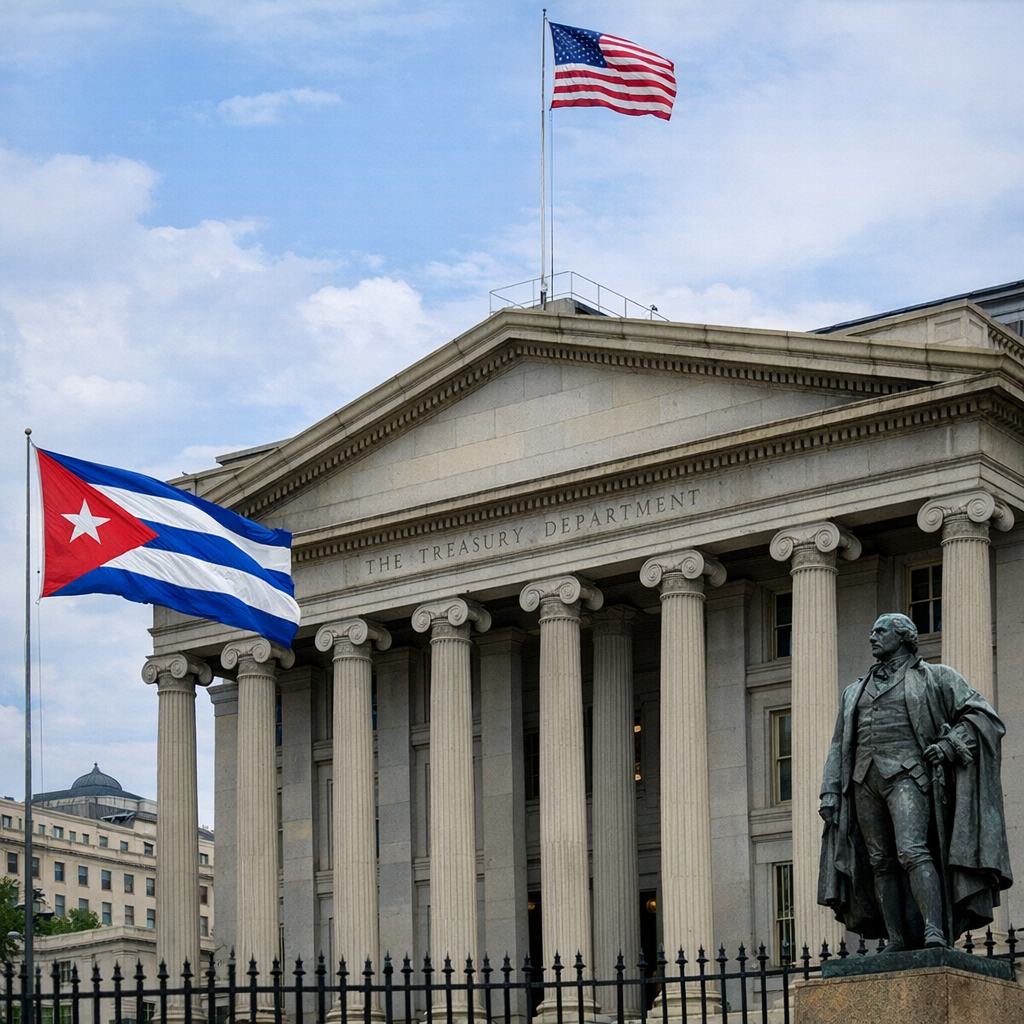
The U.S. Department of the Treasury has recently imposed sanctions on several high-ranking Cuban officials, including the head of the Cuban assembly, various ministers, and military generals. This move is part of a broader strategy to address concerns over human rights violations and political repression in Cuba.
The sanctions specifically target individuals believed to be instrumental in the Cuban government’s actions against political dissidents and activists. By freezing assets and restricting financial transactions, the U.S. aims to exert economic pressure on these officials, signaling a firm stance on promoting democratic values and human rights.
These developments have sparked varied reactions within the international community. Supporters of the sanctions argue that they are necessary to hold the Cuban government accountable for its actions. Critics, however, contend that such measures may exacerbate the hardships faced by ordinary Cuban citizens and hinder diplomatic relations.
For residents of South St. Paul, Minnesota, this news may resonate on multiple levels. The Twin Cities area is home to a diverse population, including individuals with ties to Cuba and other Latin American countries. Local community organizations and advocacy groups may find themselves engaged in discussions about the implications of these sanctions and their potential impact on international relations and human rights.
As the situation evolves, it remains crucial for communities to stay informed and consider the broader context of U.S. foreign policy decisions. Engaging in open dialogues and supporting initiatives that promote human rights and democratic principles can contribute to a more informed and compassionate community response.