

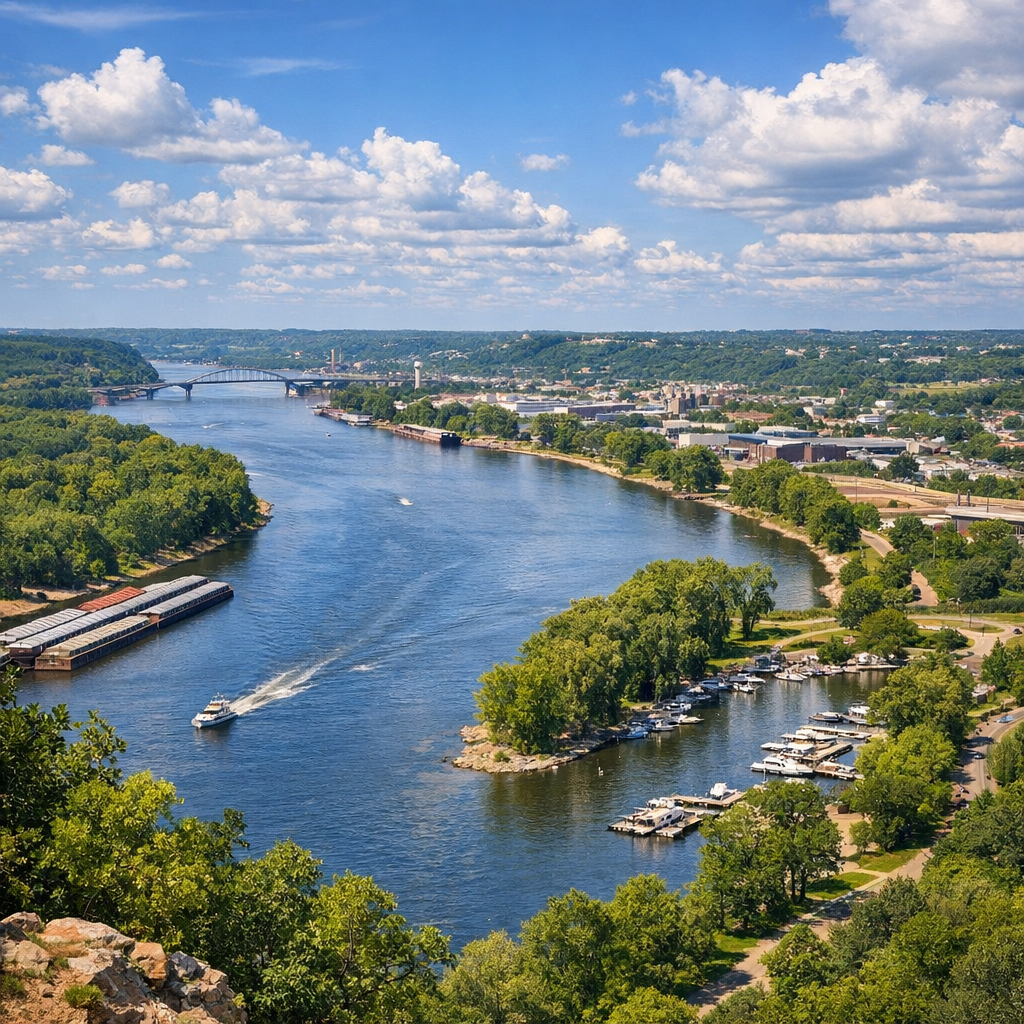
South St. Paul experiences a diverse climate characterized by distinct seasonal changes. Summers are typically warm and wet, with average high temperatures reaching 82°F in July. Winters are cold and snowy, with average lows around 10°F in January. The transitional seasons of spring and fall offer moderate temperatures and varying precipitation levels.
Water Quality and Environmental Concerns
The city sources its drinking water from four municipal wells tapping into local aquifers. To safeguard this vital resource, South St. Paul has implemented a Wellhead Protection Plan aimed at preventing contaminants from entering the groundwater supply. Residents are encouraged to participate by properly disposing of hazardous household waste and sealing unused private wells to prevent potential contamination pathways.
Non-point source pollution, resulting from stormwater runoff carrying pollutants like motor oil, fertilizers, and debris into water bodies, poses a significant challenge. The city advises residents to limit chemical use on lawns, compost yard waste, and dispose of hazardous materials responsibly to mitigate this issue.
Addressing PFAS Contamination
Per- and polyfluoroalkyl substances (PFAS), known as “forever chemicals,” have been detected at low levels in South St. Paul’s water supply. The Minnesota Department of Health has established a Health-Based Value (HBV) for PFBA, a type of PFAS, at 7 parts per billion (ppb). The city’s water supply has detected PFBA levels at 0.4 ppb, well below the HBV, indicating that the water remains safe for consumption. Ongoing monitoring ensures that any potential risks are promptly addressed.
Community Engagement and Reporting
Residents play a crucial role in maintaining environmental quality. The city provides avenues for reporting concerns such as odor complaints, code enforcement issues, and public works matters. Active community participation helps identify and resolve environmental challenges promptly.
By understanding local climate patterns and engaging in proactive environmental practices, South St. Paul residents contribute to a healthier, more sustainable community.