

South St. Paul is committed to preserving its water quality and environmental health through various initiatives and community involvement. Understanding these efforts is essential for residents who wish to contribute to a sustainable future.
Understanding Our Water Sources
The city’s drinking water is sourced from four municipal wells, drawing from the Jordan, Jordan-St. Lawrence, and Prairie Du Chien-Jordan aquifers. These wells, ranging from 339 to 500 feet deep, provide a reliable supply of groundwater. Regular monitoring ensures that the water meets safety standards, with annual reports available to the public.
Addressing PFAS Contamination
Per- and polyfluoroalkyl substances (PFAS), often referred to as “forever chemicals,” have been detected at low levels in South St. Paul’s water supply. The Minnesota Department of Health (MDH) has established a Health-Based Value (HBV) for PFBA, a type of PFAS, at 7 parts per billion (ppb). The city’s water contains PFBA at 0.4 ppb, well below this threshold. Ongoing monitoring and adherence to EPA guidelines ensure the safety of the drinking water.
Stormwater Management and Pollution Prevention
Stormwater runoff can carry pollutants into local waterways, affecting aquatic life and water quality. The city has developed a Storm Water Management Plan to guide residents and businesses in mitigating these effects. Residents are encouraged to:
- Limit the use of lawn chemicals and opt for phosphorus-free fertilizers.
- Compost yard waste and use mulching mowers.
- Properly dispose of hazardous materials at designated facilities.
- Maintain vehicles to prevent fluid leaks.
- Pick up pet waste to prevent bacterial contamination.
These actions collectively contribute to reducing stormwater pollution and protecting local water bodies.
Wellhead Protection and Private Well Maintenance
The Wellhead Protection Plan aims to safeguard the groundwater supplying municipal wells by identifying potential contamination sources. Residents with private wells are advised to regularly test their water quality and properly seal unused wells to prevent contaminants from entering the aquifers. Minnesota law requires unused wells to be sealed by a licensed contractor or maintained with a permit.
Community Involvement and Environmental Restoration
Community engagement plays a vital role in environmental stewardship. The Pig’s Eye Dump Task Force, established in 2022, is working on a comprehensive cleanup plan for the Pig’s Eye Dump site, addressing PFAS contamination affecting nearby water bodies. Public input is integral to developing effective restoration strategies.
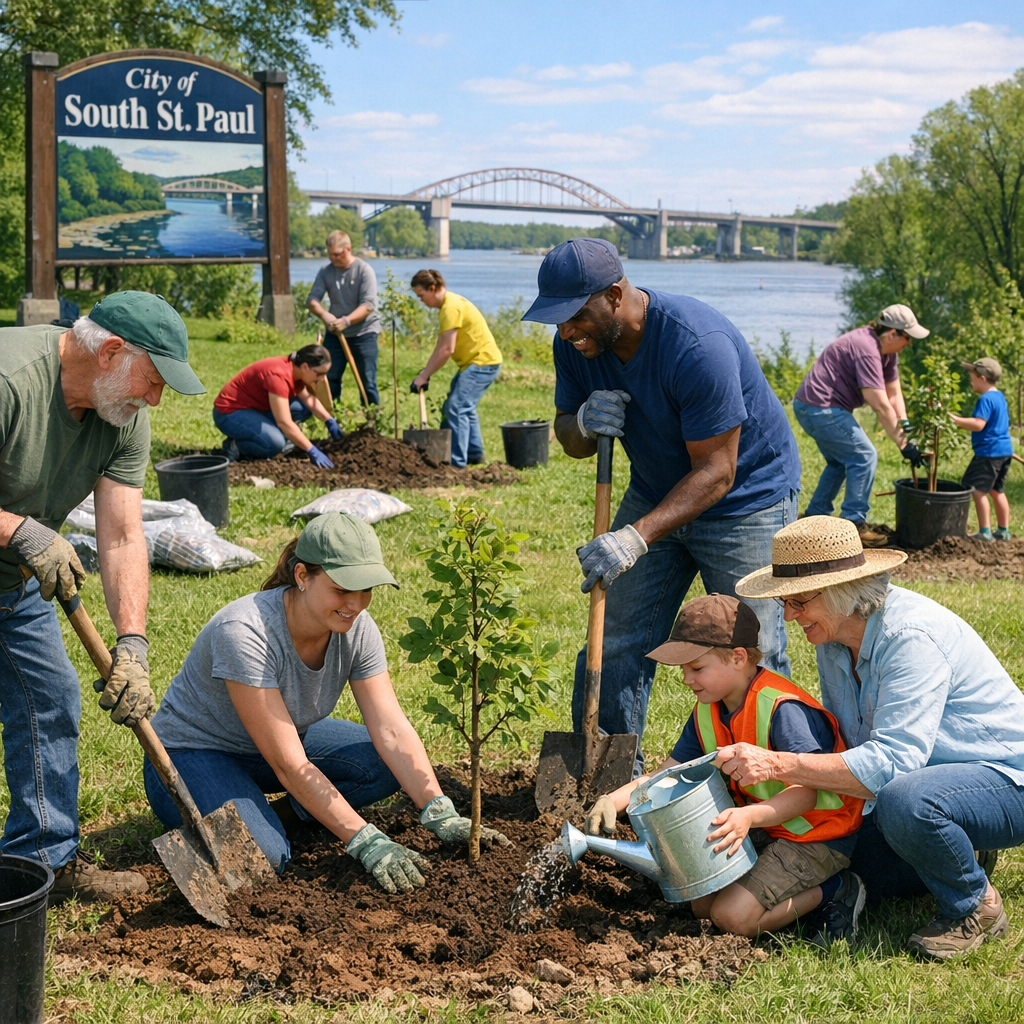
Additionally, initiatives like the partnership with Tree Trust aim to restore the urban tree canopy lost to the emerald ash borer infestation. Planting trees in parks, along boulevards, and in schoolyards enhances the environment and promotes resilience against future challenges.
By staying informed and actively participating in these initiatives, residents of South St. Paul can contribute to a healthier environment and ensure the sustainability of their community’s natural resources.