

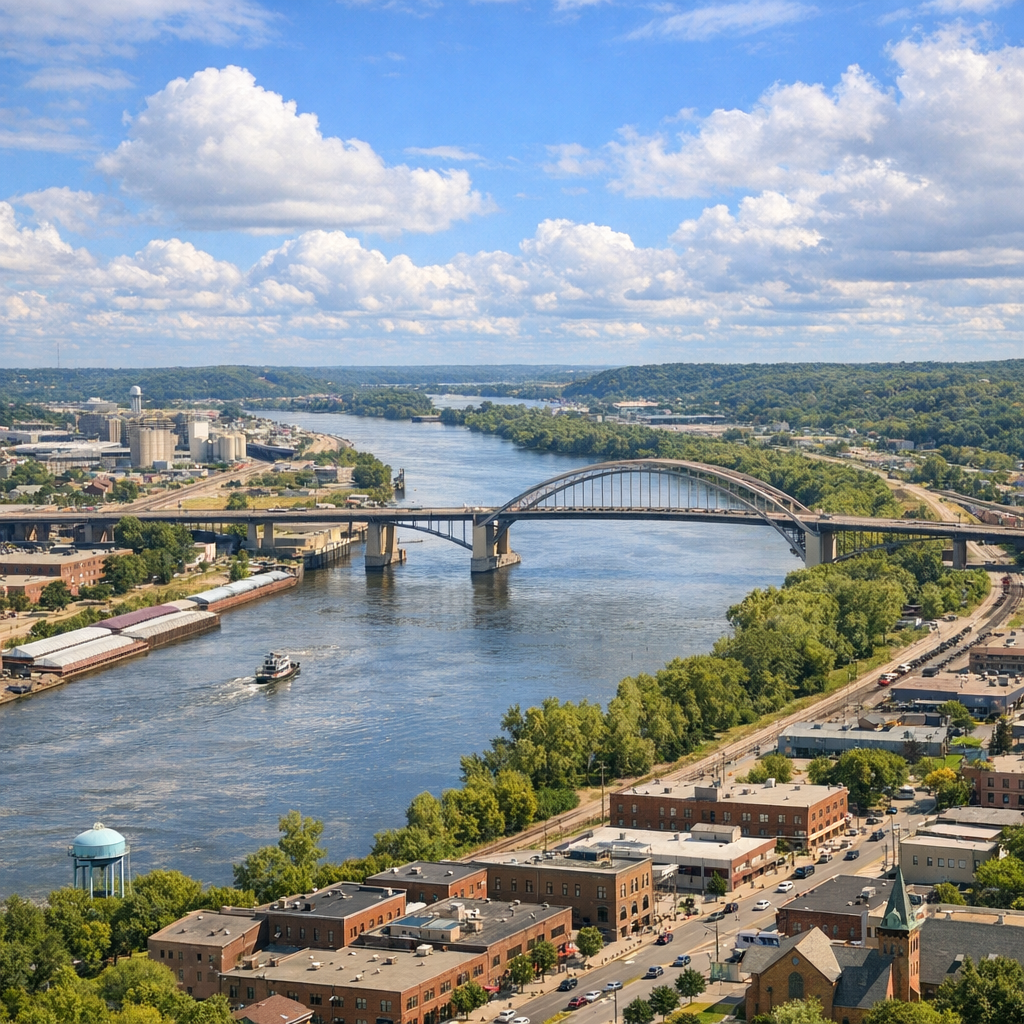
South St. Paul, Minnesota, experiences a humid continental climate characterized by distinct seasonal variations. Winters are cold and snowy, with average temperatures in January around 11.2°F (-11.6°C), while summers are warm and humid, averaging 70.6°F (21.4°C) in July. Annual precipitation is approximately 31 inches (787 mm), with snowfall totaling around 52 inches (132 cm) each year.
Recent studies indicate that climate change is impacting our region, leading to warmer temperatures and more frequent extreme weather events. These changes can affect public health, infrastructure, and local ecosystems. For instance, increased precipitation may result in more flash flooding, while warmer temperatures can exacerbate air quality issues.
Environmental concerns in South St. Paul include non-point source pollution, where contaminants like motor oil, fertilizers, and debris are carried by stormwater into our rivers and lakes. This type of pollution is a leading cause of water quality degradation, harming aquatic life and making water bodies unsafe for recreation.
To address these challenges, the city has implemented a Stormwater Management Plan that aligns with state and federal guidelines. Residents can contribute by limiting chemical use on lawns, properly disposing of hazardous materials, and maintaining vehicles to prevent leaks. Additionally, the city provides resources such as a compost site and guidelines for proper waste disposal to support community efforts in reducing pollution.
Understanding our local climate and environmental issues is crucial for developing effective strategies to protect our community and natural resources. By staying informed and actively participating in sustainability initiatives, we can work together to ensure a healthier environment for current and future generations.