

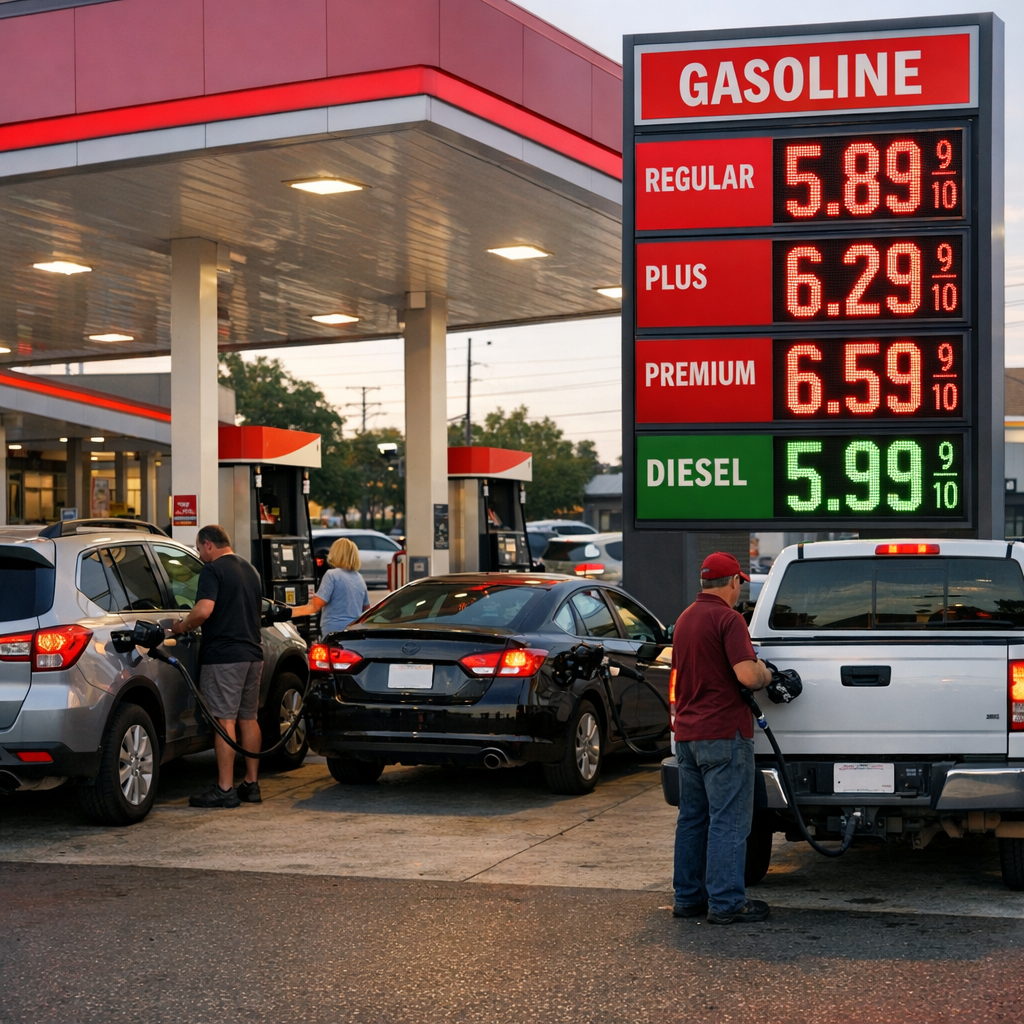
In recent months, American consumers have faced a significant increase in gasoline prices, with the national average surpassing $4.50 per gallon. This surge has been particularly pronounced in certain states, where prices have exceeded $5 per gallon. The escalation in fuel costs is largely attributed to geopolitical tensions, notably the military conflict with Iran that began in February, leading to the closure of the Strait of Hormuz—a critical passage for global oil shipments.
The economic ramifications of these rising fuel prices are multifaceted. Higher transportation costs have led to increased prices for goods and services, contributing to an inflation rate that reached 3.8% in April, the highest in three years. This inflationary pressure has outpaced wage growth for many Americans, resulting in diminished purchasing power and financial strain on households.
Public sentiment reflects this economic unease. A recent CBS News/YouGov poll indicates that 70% of Americans feel “angry” or “frustrated” about the current administration’s handling of the economy. Additionally, 77% of respondents reported that their incomes are not keeping pace with rising prices, underscoring widespread concern about financial stability.
In response to these challenges, policymakers are exploring various measures to alleviate the burden on consumers. Proposals include temporary tax relief on fuel, strategic releases from national oil reserves, and initiatives to promote alternative energy sources. However, the effectiveness and implementation timelines of these measures remain subjects of ongoing debate.
For residents of South St. Paul and the broader Minnesota area, the impact of rising gas prices is tangible. Commuters face higher daily expenses, and local businesses grapple with increased operational costs. Community members are encouraged to stay informed about policy developments and consider energy-efficient practices to mitigate the effects of this economic trend.